
Introduction
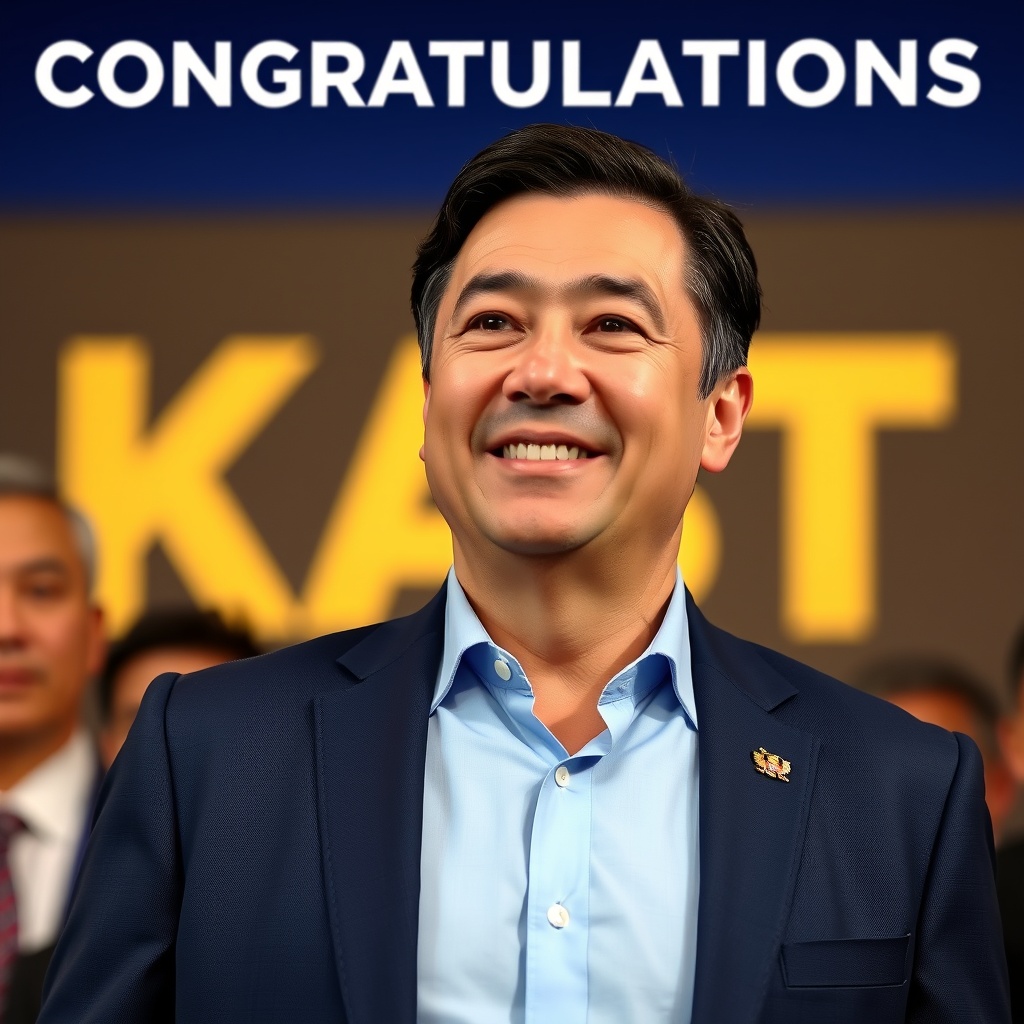
On a historic day for the Republic of Chile, José Antonio Kast has been elected as the country's new President, marking a significant shift in the nation's political landscape. The United States, along with other nations, has extended its warmest congratulations to President-Elect Kast, expressing confidence in his ability to lead Chile towards a brighter future. As the world watches, Chile is poised on the cusp of a new era, filled with possibilities and challenges that will define the course of its history. This article delves into the implications of Kast's election, the current state of Chile, and the potential future under his leadership.
Political Landscape and Election
The election of José Antonio Kast as the President of Chile is a pivotal moment, reflecting the will of the Chilean people for change and reform. Chile, known for its robust democracy and market-oriented economy, has been navigating through periods of social unrest and economic challenges in recent years. The country has a long tradition of democratic elections, and this election was no exception, with high voter turnout and a clear mandate for the new president.
Kast's victory is seen as a significant shift towards conservative policies, which could have profound implications for Chile's domestic and foreign policies. His campaign focused on issues such as economic growth, security, and the need to address the rising concerns over immigration and public order. The appeal of his message to the Chilean electorate suggests a desire for stability and a return to traditional values after a period of social and political upheaval.
The international community, particularly the United States, has been watching these developments with interest. The U.S. has a long-standing relationship with Chile, built on mutual respect for democracy, human rights, and economic cooperation. The U.S. statement congratulating President-Elect Kast underscores the importance of this bilateral relationship and expresses optimism about the future of U.S.-Chile relations under his leadership.
Economic and Social Challenges
Chile faces a range of economic and social challenges that the new government will need to address. The country has been dealing with the aftermath of the COVID-19 pandemic, which had a significant impact on its economy, particularly affecting small and medium-sized enterprises and vulnerable populations. Additionally, Chile has been experiencing social unrest, with protests over issues such as inequality, education, and healthcare reform.
President-Elect Kast's economic policies are expected to focus on stimulating growth, attracting foreign investment, and promoting entrepreneurship. His government will also need to navigate the complex issue of pensions, which has been a point of contention in Chilean politics. The pension system reform aims to ensure the sustainability of the system while providing adequate support to retirees.
On the social front, Kast's administration will face the challenge of healing the social divide and addressing the grievances of various sectors of society. This includes implementing policies that promote equality, improve access to quality education and healthcare, and enhance public security. The ability of the new government to balance these competing demands and find consensus will be crucial to its success.
International Relations and Cooperation
The election of José Antonio Kast also has implications for Chile's international relations. As a significant player in regional and global affairs, Chile's foreign policy under President-Elect Kast is expected to continue its tradition of active participation in multilateral forums and its commitment to free trade and economic integration.
The relationship between Chile and the United States is likely to remain strong, with cooperation in areas such as trade, security, and technology. The U.S. has been a key partner for Chile in its economic development, and this partnership is expected to continue, with potential areas of cooperation including renewable energy, technology, and innovation.
Chile's participation in regional organizations such as the Pacific Alliance and the Mercosur trading bloc will also be important. The country has been a proponent of regional integration and has played a key role in promoting economic cooperation among its neighbors. Under Kast's leadership, Chile is likely to continue its efforts to strengthen regional ties and promote a more integrated and competitive Latin America.
Conclusion
The election of José Antonio Kast as the President of Chile marks the beginning of a new chapter in the country's history. As President-Elect Kast prepares to take office, he faces significant challenges, from addressing social and economic inequalities to navigating the complexities of international relations. The international community, including the United States, has expressed its support and confidence in his leadership, recognizing the importance of Chile as a democratic and economic partner in the region.
As Chile looks to the future, it is clear that the path ahead will be filled with opportunities and challenges. The ability of the new government to address the aspirations of the Chilean people, while maintaining the country's position as a leader in regional and global affairs, will be crucial. With its strong democratic institutions, vibrant economy, and resilient people, Chile is well-positioned to overcome its challenges and achieve its potential under the leadership of President-Elect José Antonio Kast. The world watches with interest as this new chapter in Chile's history unfolds, filled with hope and anticipation for a brighter future for all Chileans.

Leave a comment