
Introduction
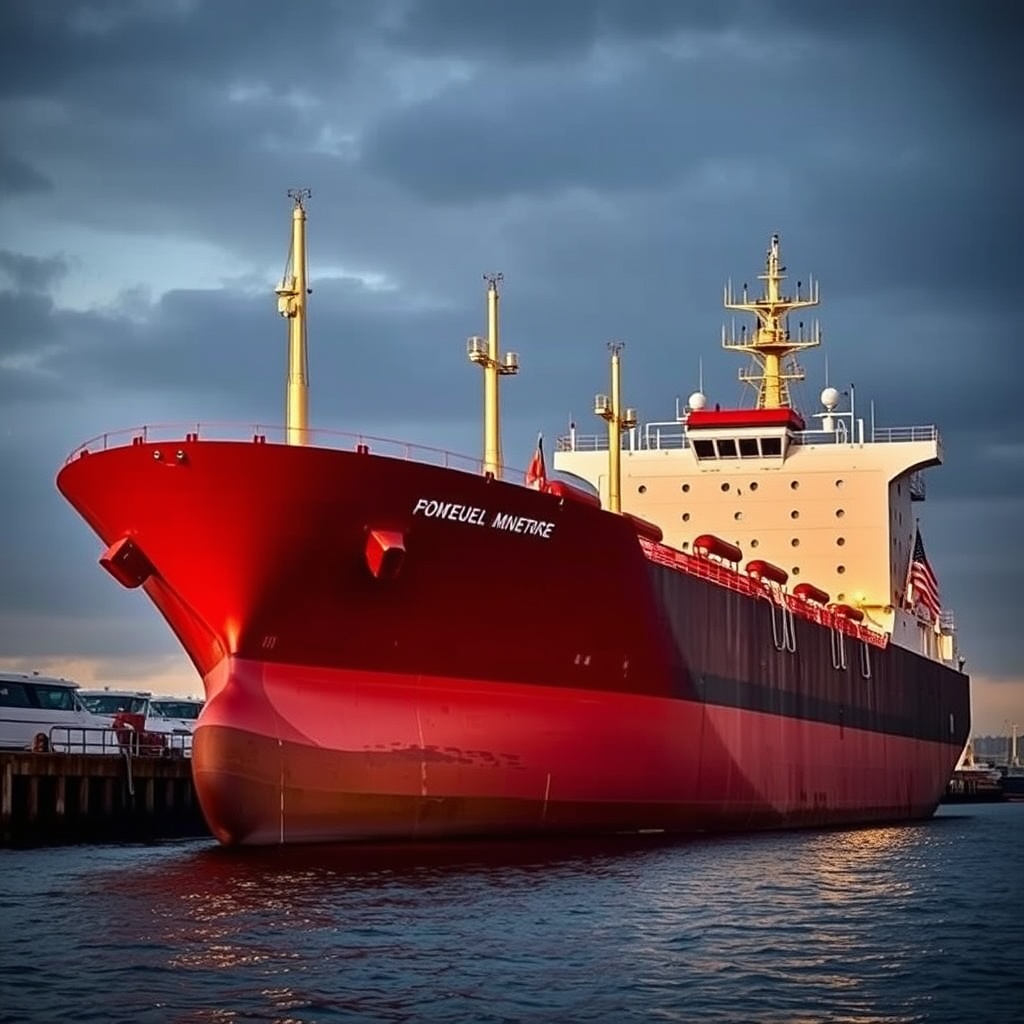
The United States has recently taken a significant step in its efforts to enforce maritime law and prevent the illicit transport of goods. The U.S. Attorney's Office for the District of Columbia has obtained an order to unseal a seizure warrant for the M/T Skipper, a tanker that was seized by the U.S. Coast Guard off the coast of Venezuela. This move marks a crucial development in the ongoing efforts to combat illegal activities at sea and highlights the importance of international cooperation in maintaining maritime security. In this article, we will delve into the details of the seizure, the reasons behind it, and the implications of this action for global maritime trade and security.
Background and Context
The M/T Skipper, with its International Maritime Organization (IMO) number, is a vessel that has been under scrutiny for its involvement in potentially illicit activities. The U.S. Coast Guard, in collaboration with other law enforcement agencies, has been monitoring the vessel's movements and activities due to suspicions of violating maritime laws and regulations. The seizure of the tanker is a result of these efforts, aiming to prevent the transport of goods that could be used for malicious purposes or to support sanctioned regimes.
The context of this seizure is multifaceted, involving issues of national security, international law, and economic sanctions. Venezuela, with its current political and economic situation, has been under U.S. sanctions, which aim to pressure the government to reform. The sanctions include restrictions on trade, which can impact the country's ability to export oil, a crucial component of its economy. The involvement of vessels like the M/T Skipper in potentially evading these sanctions poses a significant concern for the U.S. and its allies, as it could undermine the effectiveness of these economic measures.
Legal and Diplomatic Implications
The unsealing of the seizure warrant for the M/T Skipper has significant legal and diplomatic implications. Legally, it underscores the U.S. commitment to enforcing its laws and regulations, particularly in the context of maritime trade. The action demonstrates the U.S. government's willingness to take concrete steps to prevent the circumvention of sanctions and to protect its national security interests.
Diplomatically, the seizure and the subsequent unsealing of the warrant could have implications for U.S.-Venezuela relations, as well as for the U.S. relationship with other nations involved in maritime trade. The move could be seen as a strong statement by the U.S. regarding its stance on sanctions evasion and its commitment to upholding international law. However, it could also lead to tensions with countries that may view the action as an overreach of U.S. authority or an attempt to exert undue influence over global trade.
The international community, including organizations such as the United Nations and the International Maritime Organization, plays a critical role in shaping the legal framework that governs maritime activities. The U.S. action in this case may prompt discussions and debates within these organizations about the balance between national security concerns, the enforcement of economic sanctions, and the freedom of navigation.
Economic and Security Considerations
The economic implications of the seizure of the M/T Skipper and the unsealing of its warrant are substantial. For Venezuela, the potential loss of revenue from oil exports, due to the seizure of tankers involved in sanctions evasion, could exacerbate its economic challenges. For the U.S. and its allies, the enforcement of sanctions is a critical tool in their foreign policy arsenal, aimed at influencing the behavior of targeted regimes.
From a security perspective, the seizure highlights the importance of maritime domain awareness and the need for effective law enforcement at sea. The U.S. Coast Guard, along with other naval and law enforcement agencies around the world, plays a vital role in monitoring maritime activities, intercepting illegal shipments, and preventing the use of the seas for malicious purposes.
The security of maritime trade routes is crucial for the global economy, as a significant portion of international trade is conducted by sea. Any disruption to these routes, whether due to piracy, terrorism, or sanctions evasion, can have far-reaching consequences. The U.S. action against the M/T Skipper serves as a reminder of the ongoing efforts to secure these routes and to prevent the misuse of the maritime domain.
Case Studies and Examples
There have been several instances in recent years where the U.S. has taken action against vessels suspected of sanctions evasion or other illicit activities. For example, in 2020, the U.S. seized a shipment of Iranian petroleum products that were destined for Venezuela, in a move aimed at enforcing U.S. sanctions against both countries. This action, similar to the seizure of the M/T Skipper, demonstrates the U.S. commitment to using all available tools to enforce its sanctions regimes.
Another example is the U.S. campaign against North Korean sanctions evasion. The U.S. has worked closely with international partners to identify and intercept vessels involved in illicit activities, such as the transfer of coal or petroleum products, which are subject to U.N. sanctions. These efforts highlight the importance of international cooperation in addressing the complex challenges posed by sanctions evasion and other maritime security threats.
Conclusion
The unsealing of the seizure warrant for the M/T Skipper is a significant development in the U.S. efforts to enforce maritime law and prevent the evasion of economic sanctions. The action demonstrates the U.S. commitment to upholding its laws and regulations, as well as its dedication to maintaining the security of the maritime domain. As the global community continues to navigate the complex landscape of international relations, economic sanctions, and maritime security, the U.S. move against the M/T Skipper serves as a reminder of the importance of cooperation and the rule of law in protecting shared interests and preventing illicit activities at sea.
The future of maritime security and trade will undoubtedly be shaped by events like the seizure of the M/T Skipper. As nations and international organizations work together to address the challenges posed by sanctions evasion, piracy, and other threats, the need for effective law enforcement, diplomacy, and cooperation will only continue to grow. The U.S. action in this case sets a precedent for future actions, emphasizing the importance of a robust and coordinated approach to maritime security and the enforcement of international law.

Leave a comment