
Introduction
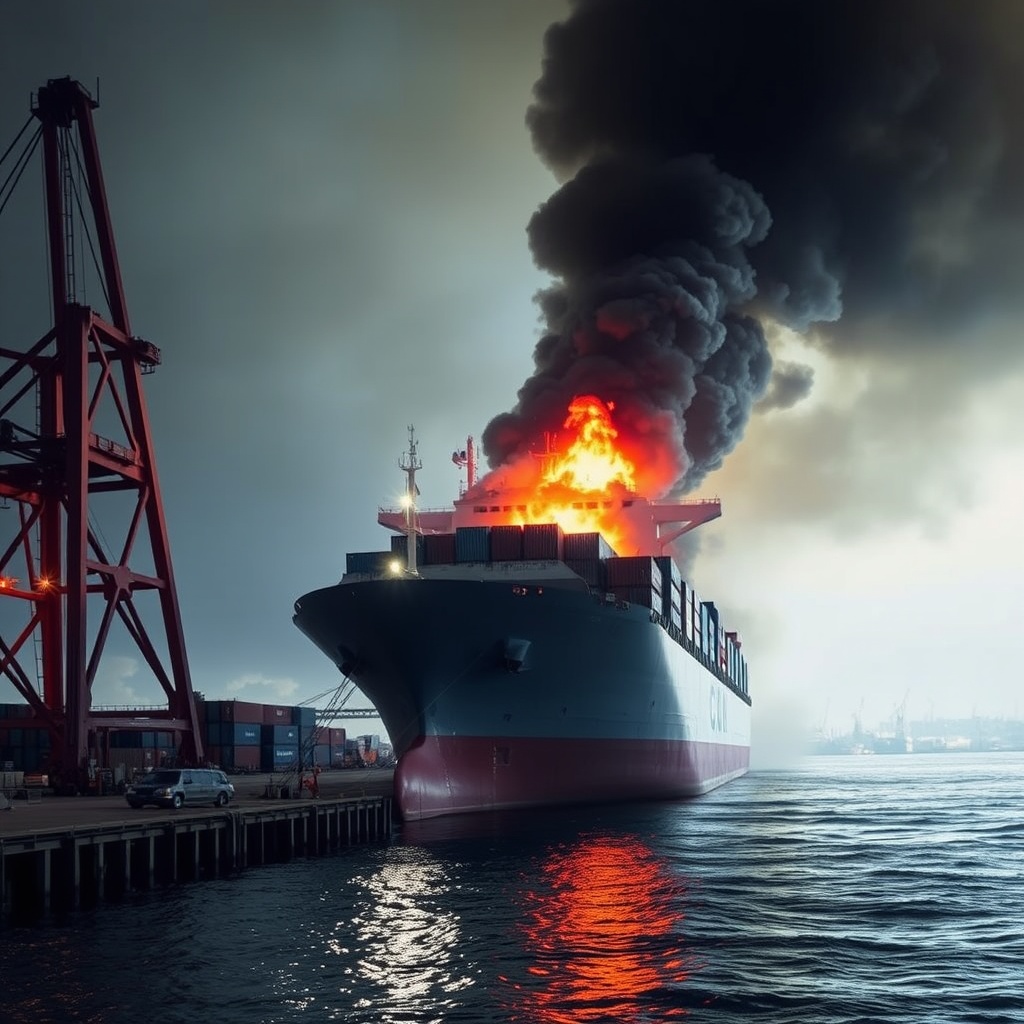
On Friday evening, a devastating electrical fire broke out on a cargo ship docked at the Port of Los Angeles, prompting a massive emergency response. The fire, which required the efforts of over 180 firefighters to contain, has now been substantially contained, with no injuries reported. This article will delve into the details of the incident, the response efforts, and the importance of fire safety in ports and cargo ships. We will also examine the potential causes of the fire, the impact on the port's operations, and the measures being taken to prevent such incidents in the future.
The Incident and Response Efforts
The fire erupted on Friday evening on a cargo ship docked at the Port of Los Angeles, one of the busiest ports in the world. The Los Angeles Fire Department (LAFD) responded quickly to the incident, deploying over 180 firefighters to battle the blaze. The firefighters worked tirelessly to contain the fire, using a combination of water and foam to extinguish the flames. The response efforts were coordinated with the U.S. Coast Guard, the Port of Los Angeles, and other agencies to ensure a swift and effective response.
According to the LAFD, the fire was substantially contained after several hours of intense firefighting efforts. The cause of the fire is still under investigation, but it is believed to be electrical in nature. The ship's cargo and the surrounding area were not significantly damaged, and no injuries were reported. The incident highlights the importance of fire safety and emergency preparedness in ports and cargo ships, where the risk of fire is ever-present.
The Port of Los Angeles is a critical component of the U.S. economy, handling over 20% of the country's imports. The port is a hub for international trade, with cargo ships arriving and departing daily. The incident underscores the need for robust fire safety measures and emergency response plans to protect the port's operations, personnel, and the surrounding community.
Fire Safety in Ports and Cargo Ships
Fire safety is a critical concern in ports and cargo ships, where the risk of fire is high due to the presence of flammable materials, electrical equipment, and other hazards. Cargo ships, in particular, are vulnerable to fires due to the large quantities of cargo they carry, which can include flammable liquids, gases, and solids.
The International Maritime Organization (IMO) has implemented various regulations and guidelines to enhance fire safety on cargo ships. These include requirements for fire detection and suppression systems, fire-resistant materials, and regular inspections and maintenance. However, despite these efforts, fires still occur on cargo ships, often with devastating consequences.
The incident at the Port of Los Angeles highlights the importance of regular inspections and maintenance to prevent electrical fires. Electrical equipment, such as generators, motors, and wiring, can be prone to malfunctions and failures, which can ignite fires. Regular inspections and maintenance can help identify potential hazards and prevent fires from occurring.
Impact on Port Operations and the Economy
The fire at the Port of Los Angeles had a significant impact on port operations, with several ships delayed or diverted due to the incident. The port's operations were disrupted for several hours, resulting in delays and losses for shipping companies and importers.
The incident also highlights the potential economic impact of fires in ports and cargo ships. A major fire can result in significant losses, including damage to cargo, ships, and port infrastructure. The economic impact can be felt throughout the supply chain, with delays and shortages affecting businesses and consumers.
According to a study by the National Fire Protection Association (NFPA), fires in ports and cargo ships can result in significant economic losses, with the average cost of a fire exceeding $1 million. The study also found that the majority of fires in ports and cargo ships are caused by electrical or mechanical failures, highlighting the importance of regular inspections and maintenance.
Prevention and Mitigation Measures
To prevent and mitigate fires in ports and cargo ships, several measures can be taken. These include:
- Regular inspections and maintenance of electrical equipment and systems
- Implementation of fire detection and suppression systems
- Use of fire-resistant materials in ship construction and cargo handling
- Training of personnel in fire safety and emergency response
- Development of emergency response plans and procedures
The Port of Los Angeles has implemented various measures to enhance fire safety, including regular inspections and maintenance, fire detection and suppression systems, and training of personnel. The port also has a comprehensive emergency response plan in place, which includes coordination with local fire departments and other agencies.
Case Studies and Examples
Several case studies and examples illustrate the importance of fire safety in ports and cargo ships. For example, in 2019, a fire broke out on a cargo ship docked at the Port of Oakland, resulting in significant damage and losses. The incident highlighted the need for regular inspections and maintenance, as well as the importance of fire detection and suppression systems.
Another example is the fire that occurred on the cargo ship MV Le Joola in 2017, which resulted in the loss of several lives and significant damage to the ship. The incident highlighted the importance of fire safety training and emergency preparedness, as well as the need for regular inspections and maintenance.
Statistics and Data
According to the U.S. Coast Guard, there were over 1,000 reported fires on cargo ships in the United States between 2015 and 2020. The majority of these fires were caused by electrical or mechanical failures, highlighting the importance of regular inspections and maintenance.
The National Fire Protection Association (NFPA) reports that fires in ports and cargo ships result in significant economic losses, with the average cost of a fire exceeding $1 million. The NFPA also notes that the majority of fires in ports and cargo ships are preventable, highlighting the importance of fire safety measures and emergency preparedness.
Conclusion
The electrical fire that erupted on a cargo ship at the Port of Los Angeles is a stark reminder of the importance of fire safety in ports and cargo ships. The incident highlights the need for regular inspections and maintenance, fire detection and suppression systems, and emergency preparedness. The potential causes of the fire, the impact on port operations, and the measures being taken to prevent such incidents in the future are all critical considerations.
As the global economy continues to rely on international trade, the importance of fire safety in ports and cargo ships will only continue to grow. By implementing robust fire safety measures and emergency response plans, we can reduce the risk of fires and protect the lives of personnel, the environment, and the economy. The incident at the Port of Los Angeles serves as a reminder of the importance of vigilance and preparedness in preventing and responding to fires in ports and cargo ships.

Leave a comment