
Introduction
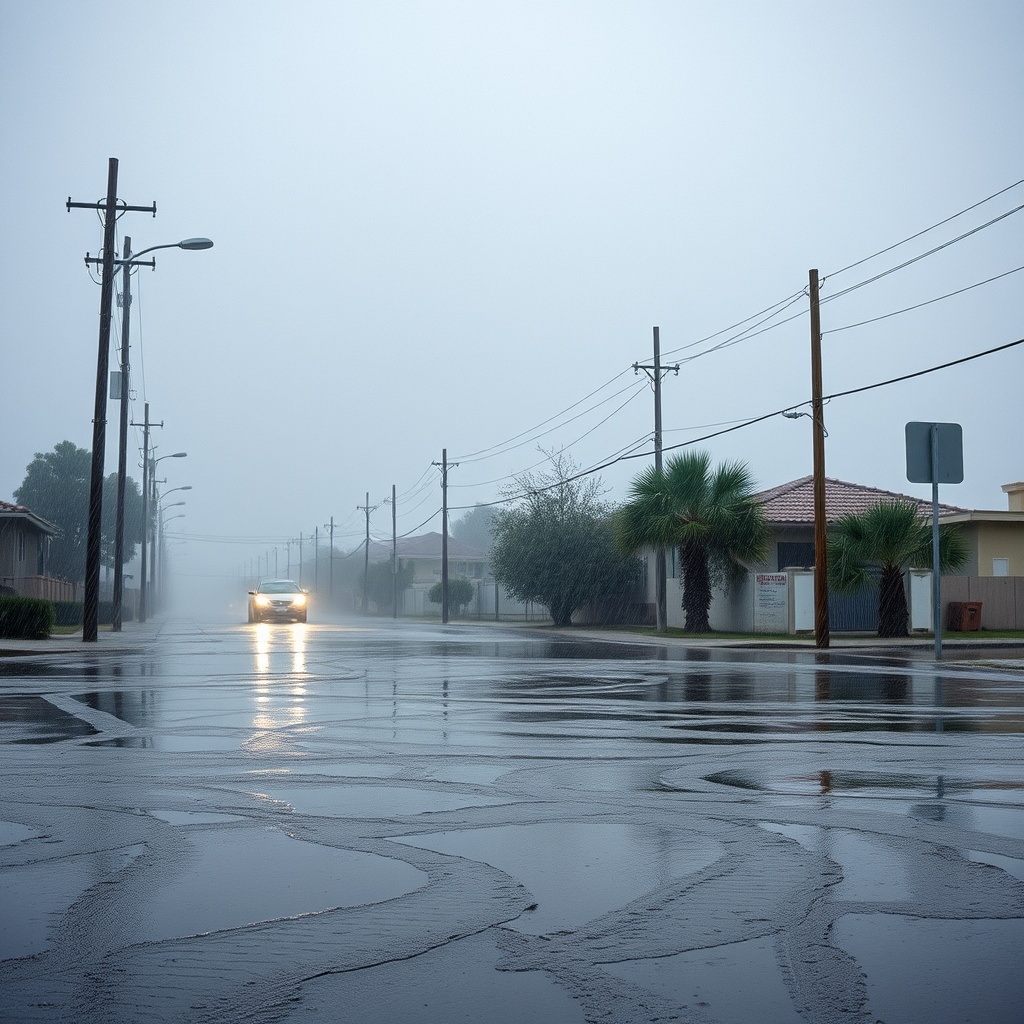
The West Coast of the United States, particularly Southern California, is bracing for a powerful storm that is expected to bring heavy rainfall, strong winds, and potential mudslides to the region. Over 22 million Americans are under a flood watch, with evacuation orders in place for several areas, especially those that were previously affected by wildfires and are now vulnerable to burn scar flooding. The storm system is anticipated to slam the region, posing a significant threat to the safety of residents and infrastructure. In this article, we will delve into the details of the storm, its potential impacts, and the measures being taken to mitigate the risks.
Storm Overview and Potential Impacts
The West Coast storm is expected to bring significant rainfall to the region, with some areas potentially receiving over 2 inches of rain in a short period. The storm's heavy rainfall, combined with the burn scar areas' vulnerability to flooding and mudslides, poses a substantial threat to the region. Burn scars, areas where wildfires have burned away vegetation and left the soil exposed, are particularly susceptible to flooding and mudslides because the lack of vegetation allows water to flow more easily and pick up speed, carrying debris and sediment with it. This can lead to devastating consequences, including loss of life, property damage, and displacement of residents.
According to the National Weather Service, the storm has the potential to cause widespread flooding, especially in areas with burn scars. The agency has issued flood watches and warnings for several counties in Southern California, including Los Angeles, Ventura, and Santa Barbara. Residents in these areas are advised to be prepared for potential evacuations and to stay informed about the latest weather conditions.
Evacuation Orders and Preparations
Evacuation orders have been issued for several areas in Southern California, including parts of Los Angeles and Ventura counties. Residents in these areas are being advised to leave immediately and seek shelter in safer locations. The American Red Cross has set up shelters in several locations to provide assistance to those who have been displaced.
In addition to evacuation orders, residents are being advised to take precautions to protect themselves and their properties. This includes clearing drains and gutters, securing outdoor furniture and decorations, and having a plan in place in case of an emergency. The Federal Emergency Management Agency (FEMA) has also provided resources and guidance for residents, including information on flood insurance and disaster preparedness.
The city of Los Angeles has activated its Emergency Operations Center to coordinate the response to the storm. The center will provide critical information and resources to residents, including updates on the storm's progress, evacuation orders, and shelter locations. The Los Angeles County Sheriff's Department has also deployed personnel to assist with evacuations and to provide support to residents.
Burn Scar Areas and Mudslide Risks
The burn scar areas in Southern California are particularly vulnerable to mudslides and flooding due to the lack of vegetation. The Woolsey Fire, which occurred in 2018, burned over 96,000 acres in Los Angeles and Ventura counties, leaving behind a large burn scar area. The area is still recovering from the fire, and the upcoming storm poses a significant threat to the region.
The risk of mudslides is particularly high in areas with steep terrain and burn scars. The heavy rainfall can cause the soil to become saturated, leading to a higher risk of mudslides and debris flows. The United States Geological Survey (USGS) has warned that the storm could trigger mudslides and debris flows in several areas, including the Woolsey Fire burn scar.
To mitigate the risks, the USGS has deployed sensors and monitoring equipment to track the storm's progress and provide early warnings of potential mudslides and debris flows. The agency is also working with local authorities to provide critical information and resources to residents.
Conclusion
The West Coast storm is expected to bring significant rainfall and potential mudslides to Southern California, posing a substantial threat to the safety of residents and infrastructure. Over 22 million Americans are under a flood watch, with evacuation orders in place for several areas, especially those that were previously affected by wildfires and are now vulnerable to burn scar flooding. Residents are advised to take precautions to protect themselves and their properties, and to stay informed about the latest weather conditions.
As the storm approaches, it is essential for residents to be prepared and to take the necessary precautions to ensure their safety. This includes staying informed about the latest weather conditions, following evacuation orders, and taking steps to protect their properties. The American Red Cross, FEMA, and local authorities are providing critical resources and guidance to residents, including information on flood insurance, disaster preparedness, and shelter locations.
In the coming days and weeks, the region will be closely monitoring the storm's progress and providing updates on the situation. Residents are advised to stay tuned to local news and weather reports for the latest information and to follow the instructions of local authorities. By working together and taking the necessary precautions, we can mitigate the risks associated with the storm and ensure the safety of residents and infrastructure in Southern California.
The storm is a reminder of the importance of disaster preparedness and the need for residents to be aware of the risks associated with living in areas prone to natural disasters. By taking the necessary precautions and staying informed, we can reduce the risks associated with these events and ensure the safety of our communities.
In the future, it will be essential to continue to monitor the region's weather conditions and to provide critical resources and guidance to residents. This includes investing in flood mitigation measures, such as flood-control systems and green infrastructure, and providing education and outreach programs to raise awareness about the risks associated with natural disasters.
By working together, we can build more resilient communities and reduce the risks associated with natural disasters. The storm is a reminder of the importance of preparedness and the need for residents to be aware of the risks associated with living in areas prone to natural disasters. By taking the necessary precautions and staying informed, we can mitigate the risks associated with these events and ensure the safety of our communities.

Leave a comment