
Introduction
The United States has once again been shaken by a devastating mass shooting, this time at Brown University in Providence, Rhode Island. The incident, which occurred on a Saturday, has left multiple people dead and several others wounded. As the nation grapples with the aftermath of this tragedy, it is essential to examine the circumstances surrounding the shooting, the impact on the community, and the broader implications for gun violence in America. This article will delve into the details of the shooting, explore the responses from law enforcement and university officials, and discuss the ongoing debate about gun control and campus safety.
The Shooting and Its Aftermath
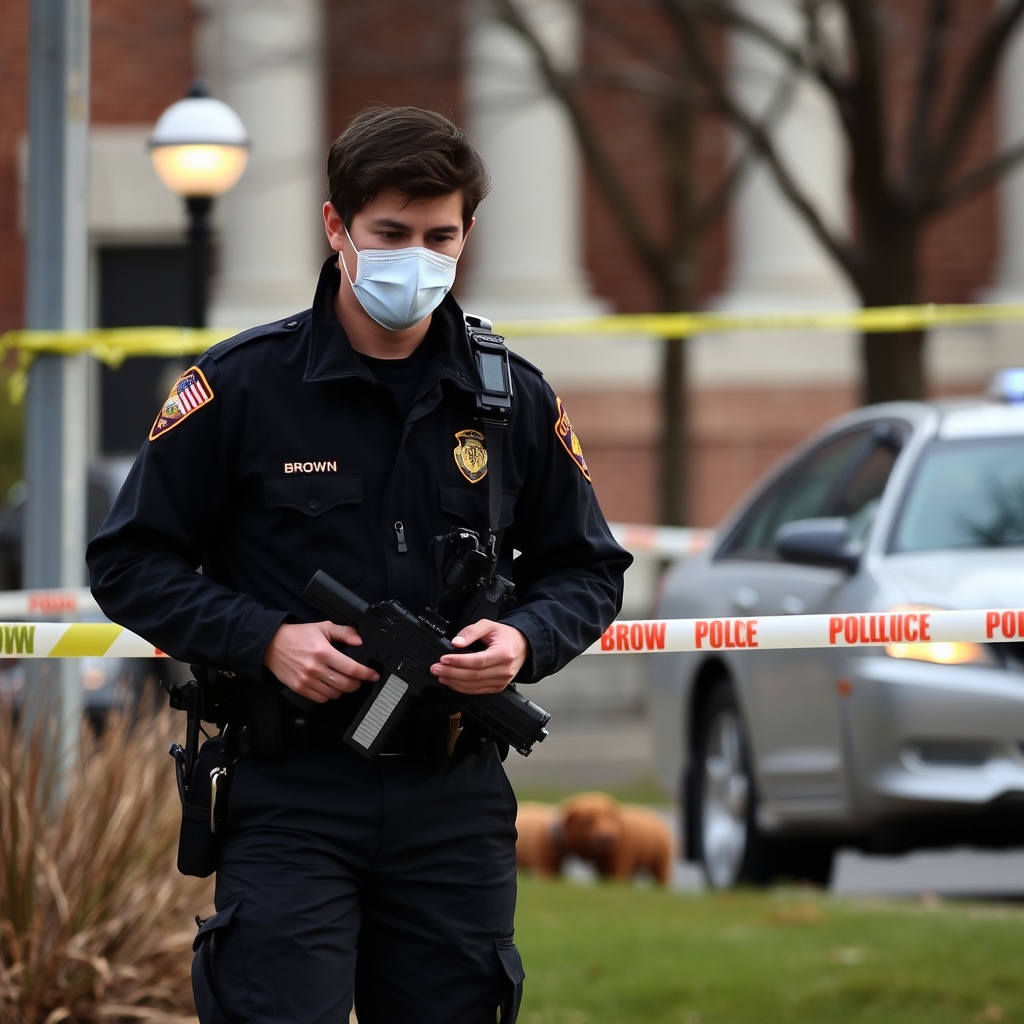
According to reports, the mass shooting at Brown University resulted in multiple fatalities and several injuries. The incident sent shockwaves through the campus community, with students, faculty, and staff struggling to come to terms with the senseless violence. The university promptly issued a statement confirming the shooting and expressing its deepest condolences to the families of the victims. Law enforcement agencies, including the Providence Police Department and the FBI, were quick to respond to the scene, launching an investigation into the circumstances surrounding the shooting.
As the investigation unfolds, details about the shooter's identity, motives, and background have begun to emerge. However, it is crucial to note that the availability of such information can be subject to change as the inquiry progresses. The university has assured the public that it is cooperating fully with the authorities to ensure that those responsible are held accountable.
In the wake of the shooting, Brown University has implemented various measures to support the affected individuals and the broader campus community. These initiatives include counseling services, emotional support hotlines, and enhanced security protocols. The university has also encouraged students, faculty, and staff to report any suspicious activity or concerns to the authorities.
Gun Violence in America: A Persistent Concern
The mass shooting at Brown University is a stark reminder of the pervasive gun violence that plagues the United States. According to data from the Gun Violence Archive, a non-profit organization that tracks gun-related incidents, there have been over 300 mass shootings in the country so far this year. This alarming trend has sparked intense debate about gun control, with many advocating for stricter regulations on firearms and others arguing that such measures infringe upon Second Amendment rights.
One of the most significant challenges in addressing gun violence is the complexity of the issue itself. Gun ownership is deeply ingrained in American culture, and the Second Amendment guarantees the right to bear arms. However, this right is not absolute, and many argue that it must be balanced against the need to protect public safety.
Some of the proposed solutions to curb gun violence include:
- Implementing universal background checks for gun purchases
- Closing loopholes in existing gun laws, such as the "gun show loophole"
- Restricting access to certain types of firearms, such as assault rifles
- Improving mental health services and support for individuals at risk of committing violent acts
While these measures have been met with resistance from some quarters, many experts believe that they could help reduce the incidence of gun violence in America.
Campus Safety: A Growing Concern
The mass shooting at Brown University has also raised concerns about campus safety and the measures that institutions can take to protect their students, faculty, and staff. In recent years, there have been several high-profile incidents of gun violence on college campuses, including the Virginia Tech shooting in 2007 and the University of Texas shooting in 2010.
In response to these incidents, many universities have implemented enhanced security protocols, including:
- Increasing the presence of law enforcement on campus
- Installing surveillance cameras and emergency response systems
- Providing training and resources for students, faculty, and staff on crisis response and emergency preparedness
- Developing threat assessment teams to identify and mitigate potential risks
While these measures can help reduce the risk of violence on campus, they are not foolproof. Ultimately, campus safety is a shared responsibility that requires the active engagement of the entire university community.
Case Studies: Lessons from Other Incidents
There are several case studies that can provide valuable lessons for universities seeking to improve campus safety and respond to incidents of gun violence. One such example is the University of Virginia, which experienced a mass shooting in 2012. In the aftermath of the incident, the university implemented a range of measures to enhance campus safety, including the creation of a threat assessment team and the development of a comprehensive emergency response plan.
Another example is the University of California, Los Angeles (UCLA), which experienced a shooting incident in 2016. In response, the university implemented a range of measures to improve campus safety, including the installation of surveillance cameras and the development of a crisis response plan.
These case studies demonstrate the importance of proactive planning and preparation in responding to incidents of gun violence. By learning from the experiences of other universities, institutions can develop effective strategies to mitigate the risks associated with gun violence and ensure a safe and supportive learning environment for their students, faculty, and staff.
Statistics: The Scope of Gun Violence in America
The statistics on gun violence in America are stark and sobering. According to the Centers for Disease Control and Prevention (CDC), there were over 39,000 gun-related deaths in the United States in 2019, with a significant proportion of these deaths resulting from mass shootings.
Some other key statistics on gun violence in America include:
- There have been over 300 mass shootings in the United States so far this year, resulting in hundreds of deaths and injuries.
- The majority of mass shootings are committed by individuals with a history of mental health issues or domestic violence.
- The most common type of firearm used in mass shootings is the semi-automatic rifle, such as the AR-15.
- The average age of mass shooters is 32, with the majority being male.
These statistics highlight the need for a comprehensive and multifaceted approach to addressing gun violence in America. By combining stricter gun regulations with improved mental health services and community-based initiatives, it may be possible to reduce the incidence of gun violence and create safer, more supportive communities for all.
Conclusion
The mass shooting at Brown University is a tragic reminder of the devastating consequences of gun violence in America. As the nation grapples with the aftermath of this incident, it is essential to examine the circumstances surrounding the shooting, the impact on the community, and the broader implications for gun control and campus safety. By learning from the experiences of other universities and implementing effective strategies to mitigate the risks associated with gun violence, institutions can help create safer, more supportive learning environments for their students, faculty, and staff.
Ultimately, addressing gun violence in America will require a sustained and collective effort from policymakers, community leaders, and individuals across the country. By working together to promote a culture of safety, respect, and responsibility, it may be possible to reduce the incidence of gun violence and create a brighter, more secure future for all Americans. As the nation moves forward from this tragedy, it is essential to remain vigilant, engaged, and committed to the pursuit of a safer, more just society for all.

Leave a comment