
Introduction
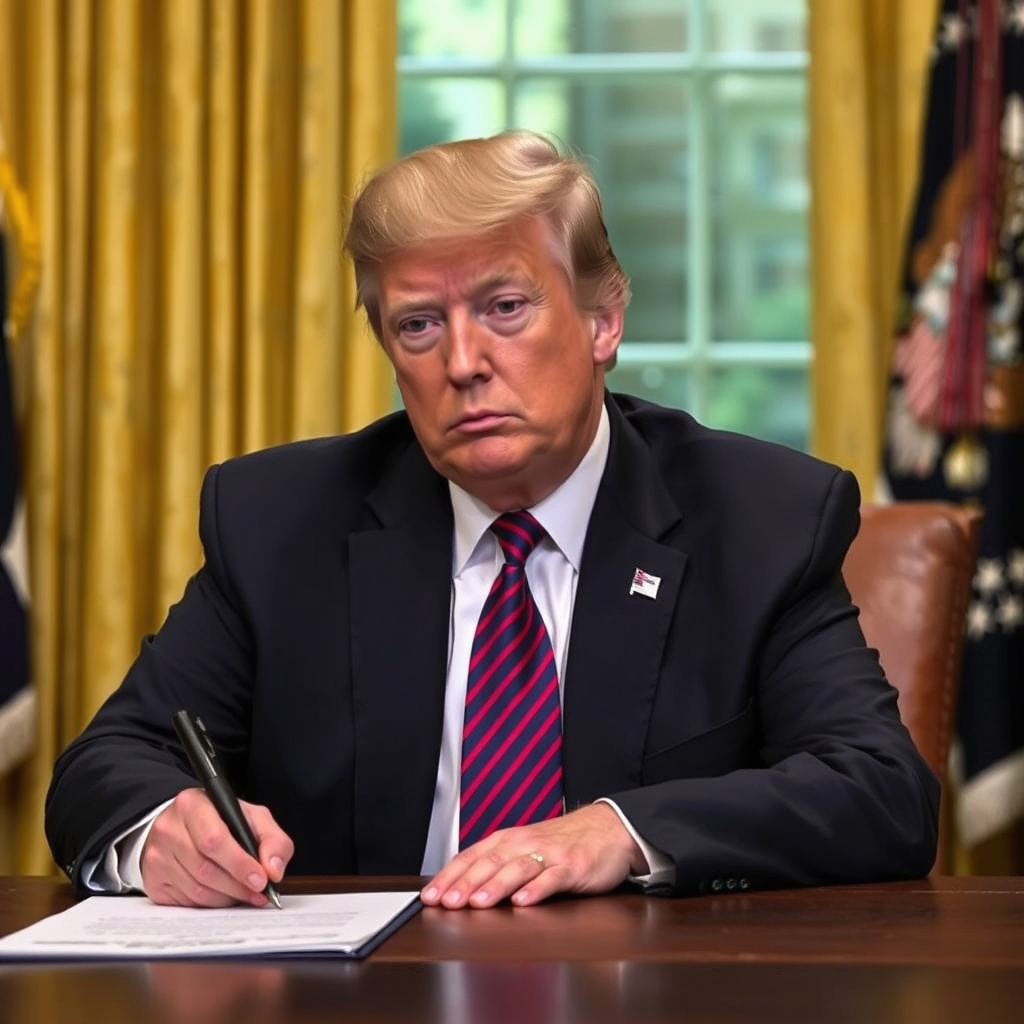
On a recent day, US President Donald Trump signed an executive order that has sent shockwaves throughout the tech industry. The order, aimed at blocking states from enforcing their own artificial intelligence (AI) regulations, has sparked intense debate and discussion among experts, policymakers, and industry leaders. The move is seen as a significant step towards consolidating federal control over the development and deployment of AI technologies, potentially limiting the ability of states to establish their own guidelines and standards. In this article, we will delve into the details of the executive order, explore its implications, and examine the potential consequences for the AI industry, states, and the broader society.
Background and Context
The use of artificial intelligence has become increasingly pervasive in various aspects of modern life, from virtual assistants and self-driving cars to healthcare and finance. As AI technologies continue to advance and become more sophisticated, concerns about their potential risks and benefits have grown. In response, many states have begun to develop and implement their own regulations and guidelines for the development and deployment of AI systems. For example, California has established a set of rules for the use of AI in autonomous vehicles, while New York has implemented guidelines for the use of AI in financial services.
However, the Trump administration has argued that a patchwork of state-level regulations could hinder the development and deployment of AI technologies, potentially undermining the competitiveness of US companies in the global market. The executive order is seen as an attempt to establish a more unified and consistent approach to AI regulation, with the federal government playing a more prominent role in shaping the industry's development.
Implications of the Executive Order
The executive order has significant implications for the AI industry, states, and the broader society. By blocking states from enforcing their own AI regulations, the order could lead to a more streamlined and consistent approach to AI development and deployment. This could facilitate the growth of the AI industry, as companies would no longer need to navigate a complex landscape of state-level regulations.
However, the order has also been criticized for potentially undermining the ability of states to protect their citizens from the potential risks associated with AI. For example, states may no longer be able to establish their own guidelines for the use of AI in areas such as surveillance, facial recognition, or autonomous vehicles. This could lead to a lack of transparency and accountability, as companies may be able to operate with relative impunity, without being subject to robust oversight and regulation.
Moreover, the order has sparked concerns about the potential for federal overreach and the erosion of states' rights. The Constitution grants states significant autonomy to regulate matters within their borders, and the executive order could be seen as an attempt to usurp this authority. This has led to accusations that the Trump administration is attempting to consolidate power and undermine the principles of federalism.
Case Studies and Examples
To illustrate the potential implications of the executive order, let us consider a few case studies and examples. For instance, the city of San Francisco has implemented a ban on the use of facial recognition technology by law enforcement agencies. However, with the executive order in place, it is unclear whether this ban would still be enforceable. Similarly, the state of California has established a set of rules for the use of AI in autonomous vehicles, but these rules may no longer be applicable if the federal government establishes its own set of guidelines.
Another example is the use of AI in healthcare. The state of New York has implemented guidelines for the use of AI in medical diagnosis, but these guidelines may no longer be relevant if the federal government establishes its own set of rules. This could lead to confusion and uncertainty among healthcare providers, patients, and companies developing AI-powered medical technologies.
Future Directions and Recommendations
As the debate surrounding the executive order continues to unfold, it is essential to consider the potential future directions and recommendations for the AI industry, states, and the broader society. One possible approach could be to establish a federal framework for AI regulation, while still allowing states to play a role in shaping the industry's development. This could involve establishing a set of national guidelines and standards, while also providing states with the flexibility to implement their own regulations and guidelines.
Another approach could be to establish a more collaborative and cooperative relationship between the federal government, states, and industry stakeholders. This could involve establishing a national AI advisory committee, comprising representatives from government, industry, academia, and civil society. This committee could provide a platform for discussing the potential risks and benefits of AI, and for developing a more unified and consistent approach to AI regulation.
In conclusion, the executive order signed by President Trump has significant implications for the AI industry, states, and the broader society. While the order may facilitate the growth of the AI industry, it also raises concerns about the potential risks and benefits of AI, and the need for more robust oversight and regulation. As the debate surrounding the executive order continues to unfold, it is essential to consider the potential future directions and recommendations for the AI industry, states, and the broader society.
Conclusion
In conclusion, the executive order signed by President Trump is a significant development in the ongoing debate surrounding the regulation of AI technologies. While the order may have the potential to facilitate the growth of the AI industry, it also raises important questions about the potential risks and benefits of AI, and the need for more robust oversight and regulation. As we move forward, it is essential to consider the potential implications of the executive order, and to develop a more unified and consistent approach to AI regulation that balances the needs of industry, states, and the broader society.
To achieve this, we recommend the following:
- Establish a federal framework for AI regulation: The federal government should establish a set of national guidelines and standards for the development and deployment of AI technologies.
- Provide states with flexibility: States should be allowed to implement their own regulations and guidelines, while still adhering to the federal framework.
- Establish a national AI advisory committee: A national AI advisory committee should be established, comprising representatives from government, industry, academia, and civil society.
- Foster collaboration and cooperation: The federal government, states, and industry stakeholders should work together to develop a more unified and consistent approach to AI regulation.
- Invest in AI research and development: The federal government should invest in AI research and development, to ensure that the US remains a leader in the development and deployment of AI technologies.
By following these recommendations, we can ensure that the development and deployment of AI technologies are guided by a more unified and consistent approach, and that the potential risks and benefits of AI are carefully considered and mitigated. Ultimately, this will require a collaborative and cooperative effort among government, industry, academia, and civil society, to ensure that the benefits of AI are realized, while minimizing its potential risks and negative consequences.

Leave a comment