
Introduction
The recent seizure of the M/T Skipper, a crude oil tanker, by the U.S. Coast Guard near Venezuela has sparked significant interest and raised questions about the circumstances surrounding the incident. A newly unsealed warrant has shed light on the reasons behind the seizure, providing insight into the complex and often contentious world of international maritime law and U.S. foreign policy in the region. This article delves into the details of the seizure, the implications of the unsealed warrant, and the broader context of U.S.-Venezuela relations, as well as the impact on global oil markets and maritime security.
Background to the Seizure
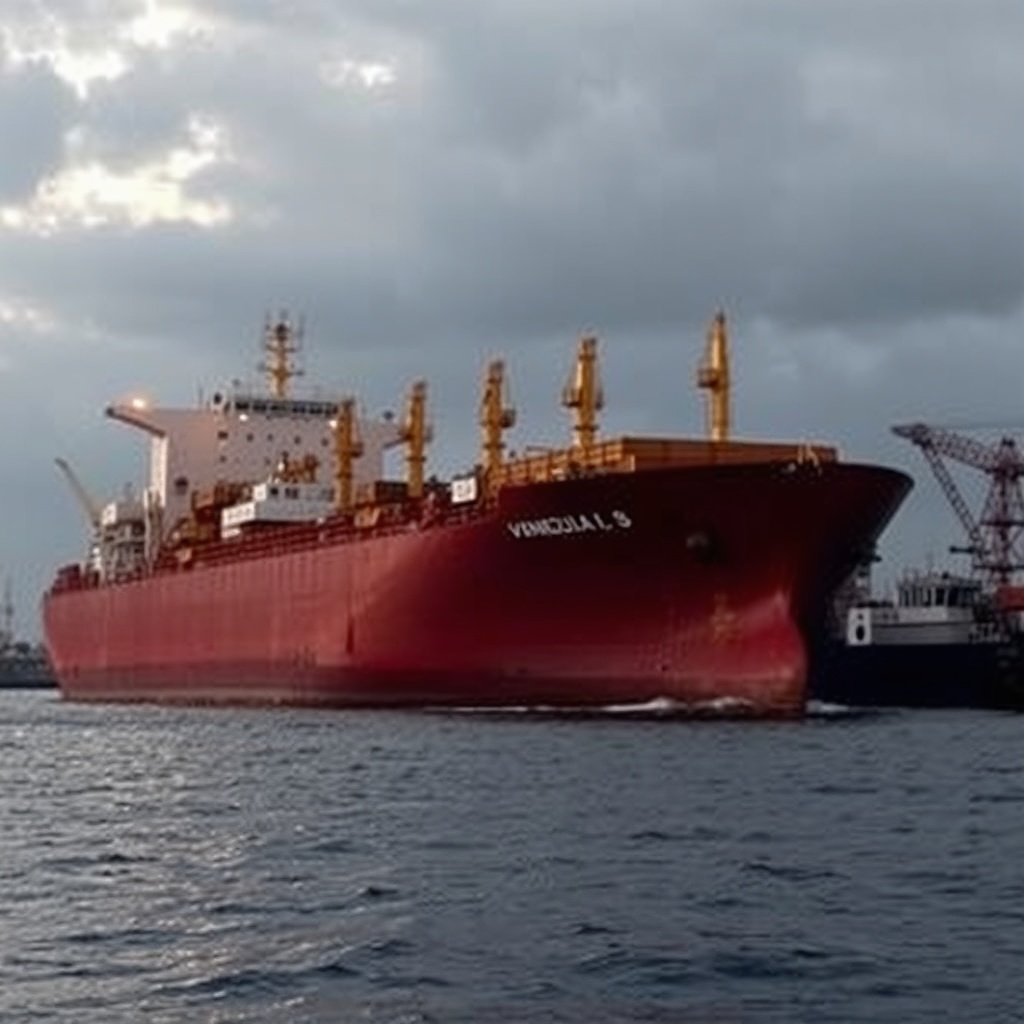
The M/T Skipper, a crude oil tanker, was intercepted by the U.S. Coast Guard off the coast of Venezuela in a move that has been closely watched by the international community. The seizure is part of a broader effort by the United States to enforce sanctions and restrictions on Venezuela, which has been under U.S. economic sanctions since 2019 due to concerns over democracy, human rights, and corruption. The sanctions have had a significant impact on Venezuela's oil industry, which is a critical component of the country's economy.
The unsealed warrant provides a glimpse into the legal justification for the seizure, highlighting the U.S. government's concerns over potential violations of sanctions and maritime law. The warrant outlines the grounds for the seizure, including allegations of illicit oil trafficking and attempts to circumvent U.S. sanctions. This move by the U.S. Coast Guard is a demonstration of the U.S. commitment to enforcing its sanctions regime and maintaining maritime security in the region.
Implications of the Unsealed Warrant
The unsealed warrant has significant implications for the parties involved, including the ship's owners, operators, and the government of Venezuela. The warrant could lead to further legal action, including fines and potential criminal charges, against those found to be in violation of U.S. sanctions and maritime law. Moreover, the seizure of the M/T Skipper sets a precedent for future enforcement actions, potentially deterring other vessels from engaging in similar activities.
The warrant also highlights the complexities of international maritime law, particularly in regions where multiple jurisdictions and interests intersect. The U.S. action against the M/T Skipper underscores the challenges of policing the high seas and the need for concerted international efforts to combat illicit activities such as oil smuggling and sanctions evasion.
Broader Context: U.S.-Venezuela Relations and Global Implications
The seizure of the M/T Skipper occurs against the backdrop of strained relations between the United States and Venezuela. The U.S. has been a vocal critic of the Venezuelan government, led by President Nicolás Maduro, citing concerns over democratic backsliding, human rights abuses, and economic mismanagement. Venezuela, in turn, has accused the U.S. of interfering in its internal affairs and imposing crippling economic sanctions that exacerbate the country's humanitarian crisis.
The incident also has broader global implications, particularly in terms of oil markets and maritime security. The seizure of oil tankers can disrupt global oil supplies, potentially leading to price fluctuations and impacting energy security. Furthermore, the use of maritime enforcement actions as a tool of foreign policy underscores the importance of the seas in international relations, highlighting the need for cooperation and adherence to international law to maintain stability and security in maritime domains.
The case of the M/T Skipper seizure near Venezuela serves as a reminder of the complex interplay between economic sanctions, maritime law, and geopolitical tensions. As the international community navigates these challenges, it is essential to consider the legal, economic, and humanitarian implications of such actions, striving for solutions that balance enforcement of international law with the need to protect human rights and prevent unnecessary conflict.
Case Studies and Examples
Several case studies and examples illustrate the complexities and challenges associated with maritime seizures and sanctions enforcement. For instance, the seizure of the Iranian oil tanker Grace 1 by Gibraltar in 2019, which was later released, demonstrates the legal and diplomatic intricacies involved in such actions. Similarly, the U.S. sanctions on Iranian oil exports have had significant effects on global oil markets, highlighting the potential for economic repercussions from such measures.
In the context of Venezuela, the U.S. sanctions have had a debilitating impact on the country's oil industry, exacerbating an already severe economic crisis. The humanitarian consequences of these sanctions have been subject to intense debate, with critics arguing that they disproportionately affect the civilian population and undermine efforts to address the country's deepening crisis.
Statistics and Data
Statistics on maritime seizures and sanctions enforcement provide valuable insights into the scope and impact of these actions. According to data from the U.S. Treasury Department, the U.S. has imposed sanctions on numerous individuals and entities in Venezuela, targeting key sectors of the economy, including oil, finance, and defense. These sanctions have resulted in significant economic losses for Venezuela, with estimates suggesting that the country's oil production has declined substantially since the imposition of U.S. sanctions.
Furthermore, data on global oil markets indicates that the seizure of oil tankers and the enforcement of sanctions can lead to volatility in oil prices, affecting energy security and economic stability worldwide. The International Energy Agency (IEA) has warned about the potential risks to global oil supplies, highlighting the need for careful management of geopolitical tensions and adherence to international law to prevent disruptions to the global energy system.
Conclusion
The seizure of the M/T Skipper near Venezuela and the unsealed warrant behind it offer a glimpse into the complex and often contentious world of international maritime law and U.S. foreign policy in the region. As the international community navigates these challenges, it is essential to consider the legal, economic, and humanitarian implications of such actions, striving for solutions that balance enforcement of international law with the need to protect human rights and prevent unnecessary conflict.
The case of the M/T Skipper serves as a reminder of the importance of cooperation and adherence to international law in maintaining stability and security in maritime domains. As global events continue to unfold, it will be crucial to monitor developments in U.S.-Venezuela relations, the impact of sanctions on global oil markets, and the evolving landscape of international maritime law. By doing so, we can work towards a more stable, secure, and prosperous future for all nations, founded on the principles of respect for sovereignty, human rights, and the rule of law.

Leave a comment